
Smart home technology is transforming the way we live, making our homes more convenient, efficient, and secure. But how does it actually work? In simple terms, smart home technology allows devices in your home to connect to the internet and communicate with each other — and with you — to automate everyday tasks.
Let’s break it down and explore how smart home technology works, what components are involved, and why it’s becoming so popular.
What Is Smart Home Technology?
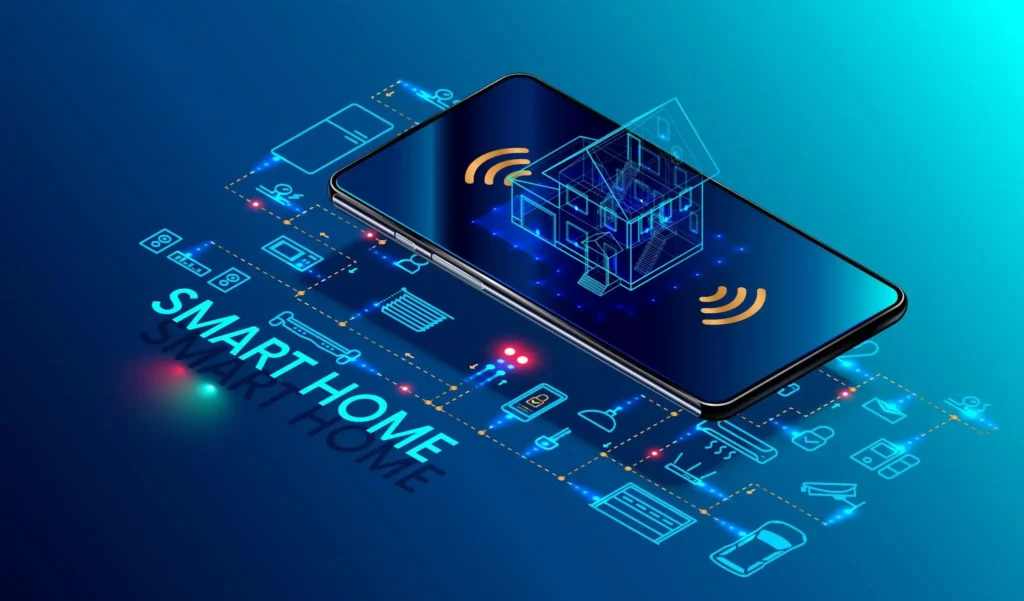
Smart home technology refers to a system of internet-connected devices that can be monitored, controlled, and automated remotely. These devices can range from light bulbs and thermostats to security systems and kitchen appliances.
The goal of smart home technology is to give users more control over their home environment through smartphones, tablets, voice assistants, or automation routines.
Key Components of Smart Home Technology
To understand how smart home technology works, it helps to know the core components that make it function smoothly:
1. Smart Devices
These are the building blocks of a smart home. They include:
- Smart bulbs (e.g., Philips Hue)
- Smart plugs
- Smart locks
- Smart thermostats (e.g., Nest)
- Smart cameras and doorbells (e.g., Ring)
- Smart speakers (e.g., Amazon Echo, Google Nest)
These devices are equipped with sensors, chips, and software that allow them to connect to a network and be remotely controlled.
2. Connectivity
Smart devices connect to your home’s internet via Wi-Fi, Bluetooth, Zigbee, or Z-Wave protocols. This connectivity allows devices to communicate with each other and with external apps or systems. Wi-Fi is the most common, but Zigbee and Z-Wave are used in hubs for more reliable, low-energy communication.
3. Control Interfaces
Once connected, devices are controlled through:
- Mobile apps (like Google Home, SmartThings, or Apple Home)
- Voice assistants (like Alexa, Siri, or Google Assistant)
- Physical remote controls or touch panels
This lets users turn devices on/off, set timers, or monitor activity — all from anywhere in the world.
4. Automation and Schedules
One of the key features of smart homes is automation. You can create routines such as:
- Turning off all lights at bedtime
- Starting the coffee machine at 7 AM
- Locking all doors when you leave the house
Automation is what makes a smart home feel truly intelligent — devices follow your habits and respond to your routines automatically.
Cloud and AI Integration
Many smart home systems rely on cloud computing and artificial intelligence to learn from user behavior and improve over time. For example: Artificial intelligence & how it work
- Smart thermostats learn your temperature preferences and adjust settings to save energy.
- Smart speakers can recognize your voice and provide personalized responses.
- Security systems can alert you instantly if unusual motion or sound is detected.
All this data is processed in the cloud, allowing for continuous updates and real-time responses.
Smart Hubs and Ecosystems
While many devices work independently, a smart hub can act as a central control unit for your entire home. Hubs like Samsung SmartThings, Apple HomeKit, or Amazon Echo integrate multiple devices into one system, even if they use different protocols (like Zigbee or Z-Wave).
Hubs help unify your smart home setup and make automation across different brands seamless.Security and Privacy Considerations
With convenience comes responsibility. Because smart devices collect and transmit data, securing your smart home is essential. Best practices include:
- Using strong, unique passwords
- Enabling two-factor authentication
- Regularly updating device firmware
- Only buying from trusted brands
Final Thoughts
Smart home technology works by connecting devices to the internet so they can be controlled and automated — improving comfort, efficiency, and security. Whether it’s turning off lights with your voice, adjusting the thermostat from your phone, or getting alerts from your doorbell camera, the possibilities are endless.
As technology continues to evolve, smart homes are becoming more accessible, affordable, and intelligent — offering a glimpse into the future of modern living.